Rooted in Place: How American Geography Shapes the Soul of the Nation's Finest Spirits
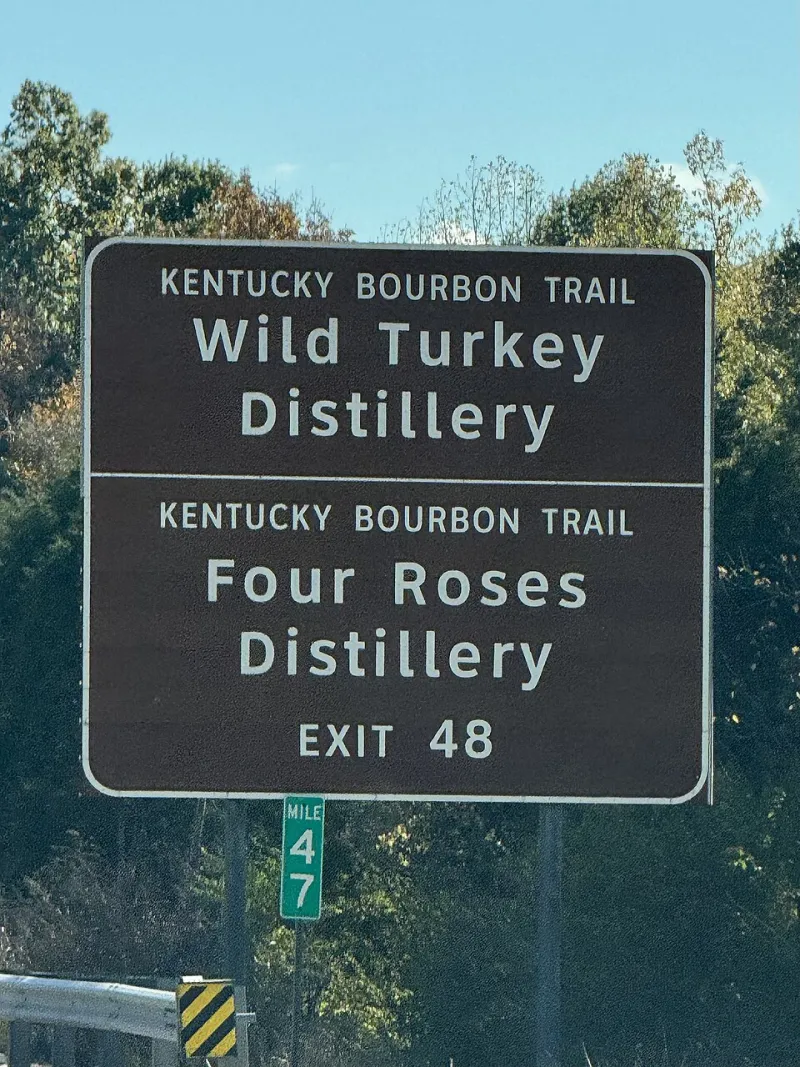
Photo: Missvain, CC BY 4.0, via Wikimedia Commons
Terroir is a word the French gave the world, and the wine industry spent decades persuading skeptics that it meant something real. The argument, now broadly accepted, is that the specific combination of soil, climate, elevation, and water in a given location imprints itself on what is grown and produced there — that place, in other words, is an ingredient.
American distillers have been living this truth for centuries, even when they lacked the vocabulary to articulate it. The particular character of Kentucky bourbon, Pennsylvania rye, or Hudson Valley grain whiskey is not merely the product of recipe and technique. It is the product of where those spirits were made — the water that hydrated the grain, the air that moved through the rickhouse, the temperature swings that drove whiskey in and out of the wood across seasons. Geography, in American distilling, is destiny.
Kentucky and the Limestone Advantage
No regional terroir story in American spirits is better documented than Kentucky's. The state produces the overwhelming majority of the world's bourbon supply, and the reasons are not entirely historical or regulatory. They are geological.
Central Kentucky sits atop a vast shelf of porous limestone, and the water that filters through it emerges naturally stripped of iron — which would discolor and off-flavor a spirit — and enriched with calcium and magnesium, minerals that support healthy yeast fermentation. The region's distillers have drawn from this aquifer for generations, and the effect on fermentation character is measurable and meaningful.
Beyond water chemistry, Kentucky's climate delivers something no engineer can replicate: genuine seasonal extremes. Summers in the Bluegrass region push temperatures into the nineties, driving whiskey deep into the char of the oak barrel and extracting vanillin, caramel, and tannin compounds at a rate that more temperate climates cannot match. Winters pull the mercury well below freezing, contracting the spirit back out of the wood with a different chemical profile than it carried going in. This cycling, repeated across years, produces the particular sweetness and structure that defines authentic Kentucky bourbon.
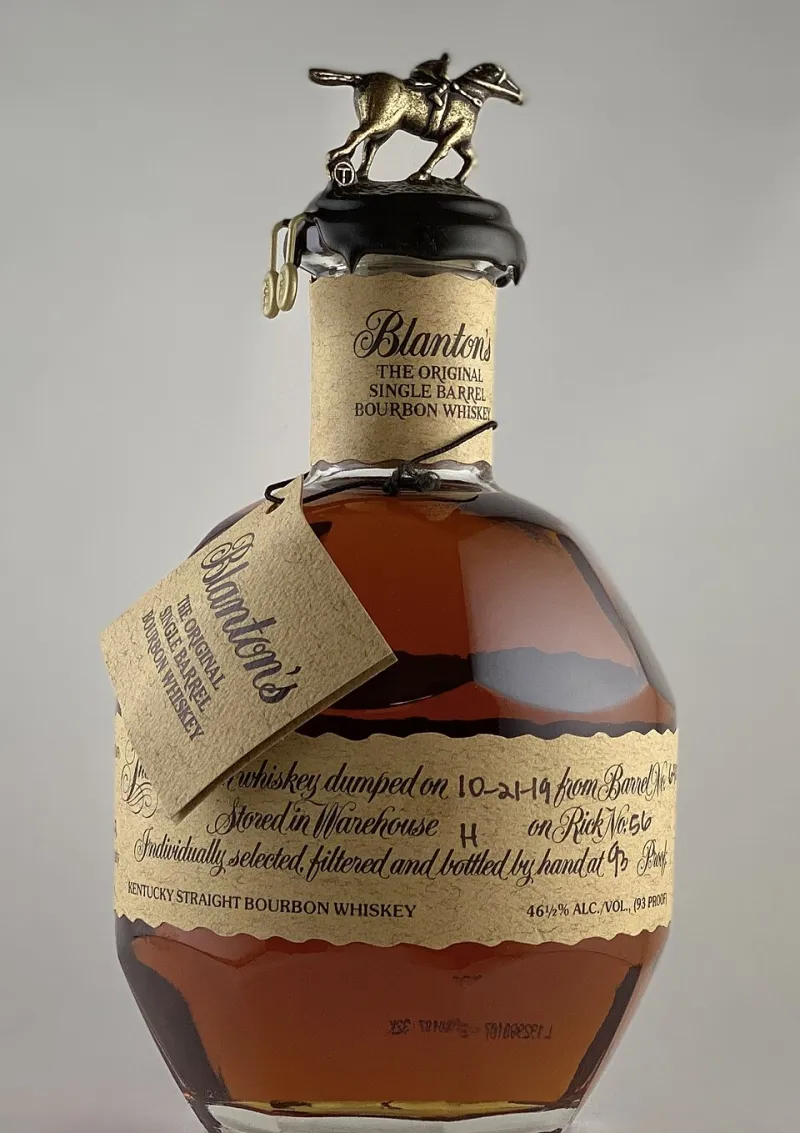
Distilleries positioned at different elevations or in different micro-climates within the state — the higher, more exposed upper floors of a traditional rickhouse versus the more temperate lower floors — produce meaningfully different whiskeys from identical mash bills. The barrel's address within the warehouse is itself a terroir variable, a fact that single-barrel programs have brought to wide consumer awareness.
Pennsylvania and Maryland: The Rye Corridor
If Kentucky owns the bourbon narrative, the mid-Atlantic states hold a prior claim on American whiskey history. Pennsylvania and Maryland were producing rye whiskey before Kentucky distillers had fully established their trade, and the regional grain traditions of those states shaped a spirit with a distinctly different character profile.
Pennsylvania rye, historically produced from high-rye mash bills grown in the region's fertile river valleys, carries a drier, more assertive spice than its Kentucky-produced counterparts. The climate is cooler and more humid, aging proceeds more slowly, and the resulting whiskeys tend toward complexity over richness. The mid-Atlantic's softer water — less mineral-laden than Kentucky's limestone-filtered supply — produces a lighter fermentation character, allowing the rye grain itself to assert its herbal, peppery qualities with less interference.
The revival of authentic Pennsylvania-style rye, led by producers such as Dad's Hat and Wigle Whiskey in Pittsburgh, has reintroduced connoisseurs to a flavor tradition that Prohibition all but erased. These are spirits worth seeking on their own terms, distinct from the Kentucky-produced ryes that dominate retail shelves, and representative of a regional craft lineage with genuine historical depth.
The Heartland and Its Corn
Corn whiskey — the foundational American grain spirit — carries its own geographic logic. The Corn Belt states of Illinois, Indiana, and Iowa produce the grain that feeds much of the nation's bourbon industry, and the particular varieties cultivated in those soils contribute meaningfully to flavor. Distillers who source locally grown, non-commodity corn often note differences in sweetness, starch content, and fermentation behavior relative to standard commercial grain supplies.
Indiana has emerged as a particularly significant terroir story in recent years, not only as a sourcing hub for independent bottlers but as a producing region in its own right. MGP Ingredients, operating from Lawrenceburg along the Ohio River, has long supplied distillate to dozens of labels across the country, but the facility's own releases — now marketed under the Rossville Union and Remus Repeal Reserve banners — have demonstrated that Indiana's grain-rich agricultural landscape and river-valley climate can produce whiskeys of genuine distinction.
Water as a Regional Signature
Beyond Kentucky's celebrated limestone aquifer, water chemistry varies dramatically across American distilling regions, and those variations leave identifiable marks. The soft, low-mineral water of the Pacific Northwest produces a different fermentation environment than the harder water of the Appalachian highlands. Tennessee's iron-free cave springs, used by distilleries in Lincoln County, contribute to a mineral profile distinct from what Kentucky operations draw from their wells.
Some distillers have begun treating water source as a point of competitive differentiation rather than a mere technical specification. Small producers in the Ozarks, drawing from springs with unique mineral compositions, or in the Rocky Mountain states, utilizing snowmelt-fed aquifers, are building flavor arguments rooted in hydrology. These are not marketing abstractions. Water chemistry directly influences yeast health, fermentation rate, and the chemical compounds that survive into the final spirit.
Seeking Out the Terroir-Driven Bottle
For the connoisseur interested in exploring American spirits through a geographic lens, several practical approaches merit consideration. Seeking out distilleries that source grain locally and disclose that sourcing on the label is a useful starting point. Producers who draw from estate-grown grain — still rare in American distilling but growing — offer the most direct expression of regional agricultural character.
Attention to water sourcing and regional climate context adds another interpretive layer. A wheated bourbon from a high-elevation Colorado distillery will age differently than one produced at river level in western Kentucky, and those differences will be perceptible in the glass to an attentive palate.
Finally, engaging with the regional craft distilling movement outside the established bourbon corridor opens access to flavor traditions that are genuinely underrepresented in the mainstream market. Pennsylvania rye, Hudson Valley grain whiskeys, and the emerging spirits culture of the upper Midwest all reward exploration by those willing to look beyond familiar labels.
The land, in American distilling, has always had something to say. The most rewarding pursuit for the discerning enthusiast may simply be learning to listen.