The Independent Bottler Revolution: How Small Operators Are Defining the New American Whiskey Canon
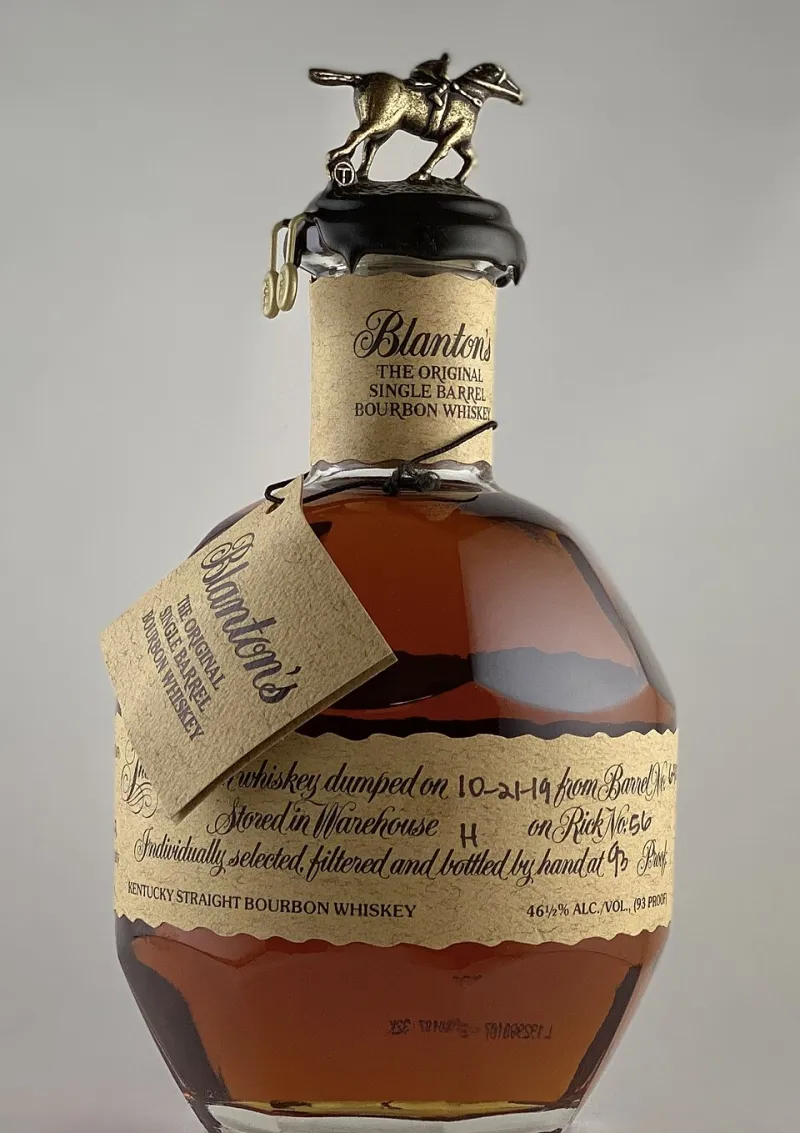
Photo: DixieLiquor, CC BY-SA 4.0, via Wikimedia Commons
For generations, the American whiskey market operated on a straightforward premise: a distillery produced its spirit, blended it to a consistent house profile, and placed it on shelves under a recognizable label. Consumers trusted the brand; the brand delivered uniformity. It was, by most measures, a reliable arrangement. But reliability, as any collector knows, is rarely where greatness lives.
Over the past decade, a quietly consequential shift has been reshaping that model. Independent bottlers — operators who source aged whiskey directly from distilleries, select individual barrels on merit, and bottle them without alteration — have moved from the fringes of the American spirits market to its most discussed corners. What was once a predominantly Scottish and Irish tradition has found fertile ground in Kentucky, Indiana, Tennessee, and beyond. The results have been, in select cases, extraordinary.
What Independent Bottling Actually Means
The term "independent bottler" carries specific weight. Unlike a distillery releasing its own single-barrel program, an independent bottler purchases mature whiskey from a third-party producer — sometimes disclosed, sometimes not — and bottles it under their own label. The selection process is the entire art form. A skilled bottler tastes through dozens, sometimes hundreds, of barrels before committing to a purchase. They are curators in the truest sense, exercising judgment where mass-market producers exercise blending.
The American market has seen this practice accelerate meaningfully. Operations such as Milam & Greene, Bardstown Bourbon Company's collaborative series, and a growing roster of smaller regional selectors have demonstrated that the sourced-whiskey model, when executed with integrity and palate, produces bottles that command both respect and premium prices at auction.
"The barrel is the biography," one veteran bottler noted during a recent tasting event in Louisville. "Every stave, every season it spent in that rickhouse, every degree of temperature swing — it's all in the glass. Our job is simply to find the barrels that tell the most compelling story."
Why Collectors Are Taking Notice
From an investment standpoint, single-barrel independent releases possess several characteristics that make them particularly attractive to serious collectors. First and foremost is scarcity. A single barrel of bourbon yields, on average, between 150 and 250 bottles at cask strength. Once those bottles are allocated and sold, the expression ceases to exist in any replicable form. No subsequent production run will ever be identical. This irreproducibility is a fundamental driver of secondary market value.
Second, the transparency increasingly demanded — and provided — by reputable independent bottlers adds a layer of provenance documentation that collectors prize. Barrel entry dates, distillery of origin, warehouse location, and proof at bottling are now routinely disclosed on labels or accompanying documentation. This traceability creates a record that supports long-term valuation in ways that anonymous blended expressions simply cannot.
Third, and perhaps most compelling for the connoisseur-investor, is the matter of quality variance. A distillery's flagship release is engineered for consistency. A single barrel selected by a discerning independent bottler is chosen precisely because it deviates — upward — from that mean. The best of these selections represent whiskeys that, for whatever combination of wood, grain, climate, and time, achieved something exceptional. Those bottles appreciate accordingly.
Identifying Exceptional Single-Barrel Picks
Navigating the independent bottling market requires a degree of informed skepticism alongside genuine enthusiasm. Not every sourced label represents careful curation; the commercial appeal of limited releases has attracted operators whose selection criteria are, at best, superficial. Several markers help distinguish the serious from the speculative.
Disclosure and transparency remain the baseline. Reputable bottlers provide meaningful information about the spirit's origin and production parameters. Vague descriptors like "American whiskey" with no further detail warrant caution, while specific barrel numbers, entry proofs, and distillery identifications signal a bottler confident in their provenance.
Cask strength or near-cask bottlings are generally worth prioritizing. Adding water to a single-barrel selection before bottling dilutes the very individuality that makes it valuable. The finest independent releases allow the spirit to speak at or near the proof it achieved naturally during aging.
Established retailer single-barrel programs offer another avenue of discovery. Specialty retailers — particularly those with dedicated spirits buyers — often negotiate direct barrel picks from distilleries, effectively functioning as independent bottlers themselves. These store picks, as they are known in the trade, can represent exceptional value relative to distillery-allocated releases, and developing relationships with knowledgeable retailers remains one of the most reliable paths to accessing them.
Age and grain composition matter, though not always in the ways conventional wisdom suggests. A ten-year-old wheated bourbon from a well-regarded Indiana producer may outperform a much older high-rye expression from a different source. Tasting, wherever possible, before purchasing for investment purposes is always advisable.
The Secondary Market Reality
The auction data tells a compelling story. Single-barrel independent releases from established bottlers have consistently outperformed their original retail prices on platforms such as Whisky Auctioneer and Skinner Auctions. Limited retailer picks from respected shops in major markets — Chicago, Houston, New York, Atlanta — regularly appear at multiples of their release price within months of selling out.
This appreciation dynamic is not guaranteed, nor should it be treated as such. The spirits investment market, like any alternative asset class, carries risk, and the enthusiasm surrounding American whiskey has at times outpaced the underlying quality of individual releases. Discernment — the same quality that defines a skilled independent bottler — must equally define the collector who pursues these expressions.
What is clear, however, is that the independent bottling movement has permanently altered the American whiskey landscape. It has created a secondary tier of curation between distillery and consumer, one populated by individuals with genuine expertise and genuine stakes in the quality of what they release. For collectors seeking bottles that combine drinking excellence with investment merit, that tier deserves serious, sustained attention.
The barrel, as it has always been, remains the beginning of the story. The independent bottler, increasingly, is the one worth trusting to finish it.