When the Collection Outlives the Collector: Estate Planning for Rare Spirits
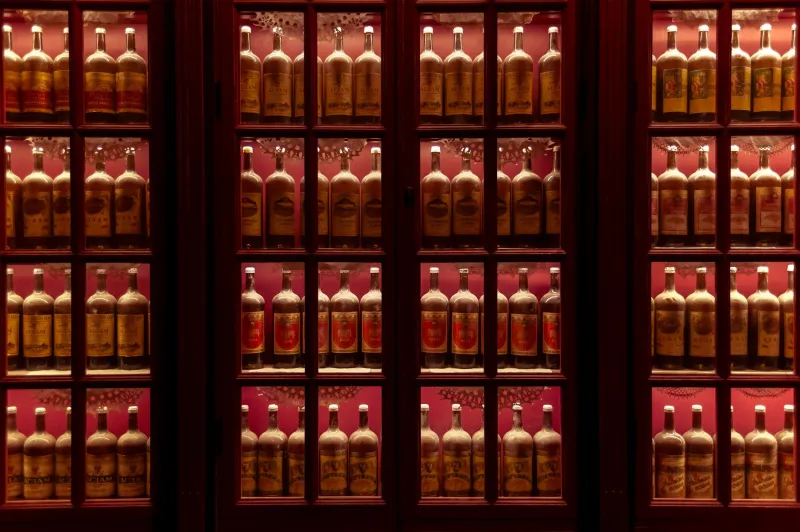
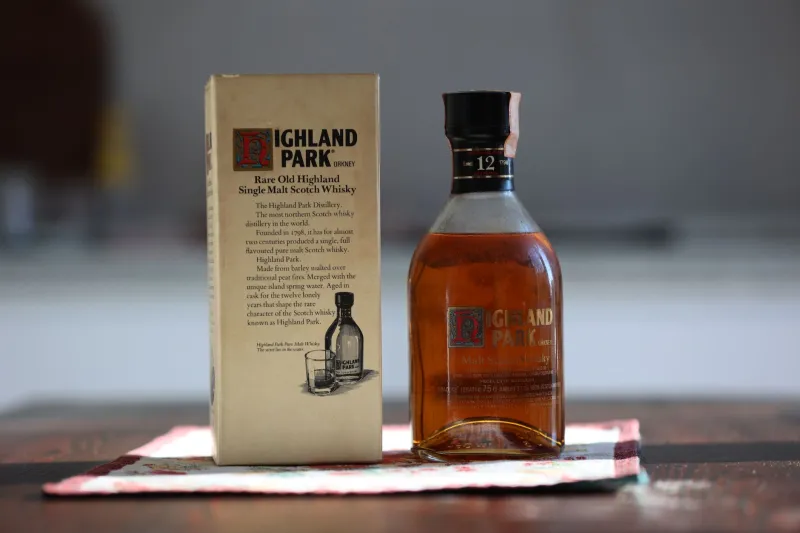
A cellar of rare American whiskey, assembled over thirty years of careful acquisition, does not resemble a stock portfolio to the IRS. It does not resemble a wine collection to most insurance underwriters. And it does not resemble a simple bequest to the attorney drafting a will. It occupies an awkward legal and regulatory space that most estate planning professionals are entirely unprepared to navigate — and that most collectors have never thought to raise.
The consequences of that gap can be severe. Collections worth hundreds of thousands of dollars have been liquidated at a fraction of their value because no one in the estate understood what they held. Bottles of extraordinary rarity have been poured down drains by executors uncertain of their legal standing. Heirs have faced unexpected tax liabilities on assets they lacked the documentation to properly value. These are not hypothetical scenarios. They are recurring outcomes for collectors who treated the acquisition of spirits with far greater discipline than the planning of their disposition.
The Regulatory Foundation
Before any discussion of tax strategy or valuation methodology, it is necessary to understand what federal and state law actually permit when it comes to transferring a spirits collection.
Under the Federal Alcohol Administration Act and the regulations enforced by the Alcohol and Tobacco Tax and Trade Bureau (TTB), the sale of distilled spirits by individuals who are not licensed retailers is prohibited in the United States. This creates an immediate complication for heirs who inherit a collection with the intention of liquidating it. Unlike wine, which benefits from a more permissive legal environment in many states and has an established secondary market infrastructure, whiskey and other distilled spirits cannot be legally sold by private individuals in most jurisdictions.
This does not mean the collection has no transferable value. It means that the mechanisms for realizing that value are constrained. Options available to heirs include donating bottles to licensed auction houses in states where consignment arrangements are permitted, transferring physical possession to a licensed retailer who may facilitate a sale on the collector's behalf, or retaining the collection for personal use and consumption. None of these paths is straightforward, and each carries its own tax and logistical implications.
Consulting an attorney with specific experience in alcohol law — not merely a generalist estate planner — is not optional for any collector whose holdings exceed modest value.
Valuation: The Indispensable Foundation
For federal estate tax purposes, inherited property must be reported at fair market value as of the date of death. For rare spirits, establishing that value is considerably more complex than it sounds.
There is no standardized, publicly accessible pricing database for rare American whiskey comparable to Wine-Searcher or the major auction indices for fine wine. Secondary market prices for highly sought bottles — allocated bourbons, limited distillery releases, vintage expressions — are often established through informal channels, enthusiast forums, and state-specific auction results that can vary dramatically by geography and timing.
This ambiguity cuts both ways. An estate with inadequately documented valuations may face IRS scrutiny if reported values appear inconsistent with market evidence. Conversely, a poorly valued collection may result in heirs paying estate taxes on an inflated figure that does not reflect what the bottles could realistically be transferred for under current regulatory constraints.
The solution is professional appraisal — conducted not by a general antiques appraiser or a wine specialist, but by someone with demonstrable expertise in the distilled spirits secondary market. Such appraisers exist, though they are not numerous. Engaging one while the collector is still living, and updating that appraisal every three to five years, provides the documentation foundation that an estate will require.
Insurance and the Documentation Gap
Most homeowners' and renters' insurance policies provide only nominal coverage for spirits collections — if they acknowledge the category at all. Standard policies often cap coverage for wine and spirits at figures far below the actual value of a serious collection, and they typically require documentation of individual bottle values that most collectors have never assembled.
Specialty insurance products designed for high-value personal property collections exist and can be structured to cover rare spirits at their appraised replacement value. Underwriters in this space will generally require a current inventory with individual valuations, purchase documentation where available, and evidence of proper storage conditions. This documentation requirement, which can feel burdensome when assembling it for the first time, is precisely the same documentation that will serve an estate well when the time comes.
The inventory itself — a detailed record of every bottle, its provenance, its acquisition cost, its estimated current value, and any relevant authentication documentation — is the single most important asset a collector can leave alongside the collection itself.
The Ethical Dimension: What Deserves to Be Drunk
No discussion of collection transfer is complete without confronting a question that tax law cannot answer: which bottles should be passed down, and which should be opened?
This is not merely a sentimental consideration. A bottle that has been stored improperly, that has lost its fill level to evaporation, or that was acquired under circumstances its provenance cannot fully support may be worth considerably less than its label suggests. More importantly, some spirits are simply not built for indefinite cellaring. Unlike wine, distilled spirits do not continue to develop in bottle — the aging process ends at distillation. A whiskey that has reached its optimal expression will not improve with another decade of storage. Passing it to an heir who may not open it for another twenty years is not an act of generosity. It is, arguably, a form of waste.
The serious collector would do well to make deliberate decisions — ideally documented in writing — about which bottles are intended for consumption, which for long-term holding, and which carry sufficient historical or investment significance to warrant formal estate treatment. These decisions, communicated clearly to heirs and executors, prevent the kind of paralysis that leads to extraordinary spirits being handled without the consideration they deserve.
Building the Legacy Document
Practically speaking, every collector whose holdings have material value should prepare what might be called a collection legacy document: a narrative companion to the formal inventory that explains the collection's history, the significance of its most important bottles, the collector's intentions for specific expressions, and the names of advisors — legal, financial, and spirits-specific — who can assist the estate in making informed decisions.
This document need not be a legal instrument. It is, at its core, an act of communication — a way of ensuring that the knowledge, care, and judgment that built the collection are not lost when the collector is no longer present to speak for it.
The rarest bottles in any collection are rare because someone, somewhere, understood their value well enough to preserve them. The collector who fails to plan for succession is, in a meaningful sense, abandoning that tradition at the final step.