Closing the Prestige Gap: Why American Whiskey Deserves a Seat at the Fine Dining Table
For decades, the white-tablecloth world of fine dining has reserved its deepest reverence for French Burgundy, aged Scotch single malts, and Japanese whisky. American whiskey — bourbon, rye, and their craft-distilled kin — was tolerated at the bar but rarely celebrated at the table. That dynamic is shifting, and the conversation unfolding in the country's most discerning dining rooms reflects a broader recalibration of what prestige means in the world of spirits.
The prestige gap between American whiskey and its Old World counterparts is not a question of quality. It is a question of perception, education, and institutional habit. Addressing that gap requires the very professionals who shape dining culture: the sommelier.
The Historical Weight of European Prestige
The fine dining establishment has always been a hierarchical space, and its hierarchies were largely constructed by European tradition. Wine programs were built around Bordeaux and Burgundy. Spirits menus defaulted to Cognac as the post-dinner benchmark of sophistication. When Scotch whisky entered fine dining, it did so on the coattails of its European geography and centuries of aristocratic association.
American whiskey, by contrast, carried the cultural baggage of frontier mythology, prohibition-era notoriety, and mass-market brands that dominated the mid-twentieth century. Even as the craft distilling renaissance of the past two decades produced expressions of remarkable complexity, the institutional memory of fine dining was slow to update its assumptions.
The result was a prestige gap that persisted long after the quality gap had closed — or, in many cases, reversed.
What Sommeliers Are Beginning to Recognize
The sommelier's role has always been to guide guests toward experiences that elevate a meal. Increasingly, forward-thinking beverage directors at notable American restaurants are expanding that mandate to include curated American whiskey programs that receive the same scholarly attention traditionally reserved for wine.
This is not merely a trend toward novelty. It reflects a genuine reckoning with what premium American whiskey offers as a pairing vehicle. Aged bourbon, for instance, presents a layered aromatic profile — vanilla, caramelized oak, dried stone fruit, baking spice — that interacts with food in ways that are both predictable and endlessly nuanced. High-rye expressions bring a spiced, herbaceous tension that can cut through rich preparations in much the way an acidic wine might. Single-barrel releases, with their batch-specific idiosyncrasies, offer the kind of conversational depth that sommeliers prize.
Some beverage directors have begun approaching American whiskey with the same vintage-specific rigor applied to wine. A distillery's output from a particularly notable harvest year, a cask finished in a specific type of wood, a limited release tied to a particular mashbill — these details carry meaning for a guest who has been properly educated, and the sommelier is the natural conduit for that education.
The Pairing Question
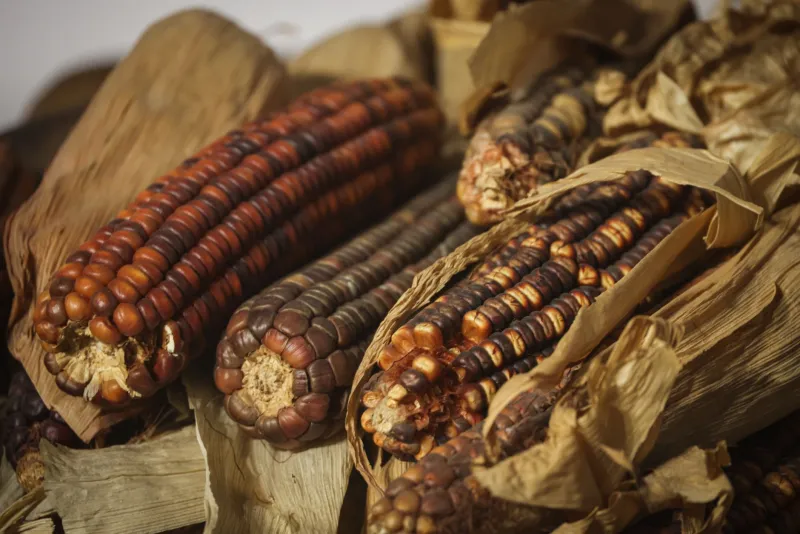
One of the most compelling arguments for American whiskey's place in fine dining is the sophistication of its food pairing potential. The spirit's broad flavor spectrum — from the sweet, corn-forward richness of wheated bourbons to the bold, assertive character of high-proof rye — means that a thoughtfully curated whiskey program can serve the table from amuse-bouche through dessert.
Consider the affinity between a well-aged, high-proof bourbon and a preparation built around umami depth: braised short rib, aged cheese, or a reduction-heavy sauce. The spirit's sweetness provides contrast while its tannins, derived from years in charred American oak, echo the Maillard-driven complexity of the dish. Similarly, a light, floral single malt-style American whiskey — increasingly produced by craft distilleries exploring Scottish techniques with domestic grain — can serve as an unexpected counterpart to delicate seafood or vegetable-forward courses.
The pairing conversation also extends to the increasingly sophisticated world of American craft spirits beyond bourbon and rye. American single malts, aged rum expressions from domestic distilleries, and grain-forward whiskeys made from heritage varieties are all entering the fine dining conversation as sommeliers seek to build programs that reflect the full breadth of the nation's distilling ambition.
The Role of the Collector in Shifting the Narrative
Fine dining's perception of any beverage category is shaped partly by what collectors and connoisseurs signal as valuable. The emergence of a serious secondary market for rare American whiskey — one in which allocated bottles command prices that rival premier cru Burgundy — has not gone unnoticed by the hospitality industry.
When a bottle of a highly allocated bourbon or a decades-old distillery release appears on a restaurant's spirits list at a price point commensurate with a grand cru Champagne, it sends a cultural signal. It communicates that the beverage director regards this expression as an object of serious appreciation, not merely a casual pour. Collectors who engage with fine dining venues as partners in building and presenting rare whiskey programs are, in effect, helping to rewrite the institutional script.
Some of the country's most celebrated restaurants have begun hosting whiskey-centric dinners that mirror the format of prestigious wine events — multi-course pairings with vertical flights, distillery principals in attendance, and tasting notes presented with the same care given to a Burgundy masterclass. These evenings are not novelties. They are a deliberate effort to establish American whiskey within the cultural infrastructure of fine dining.
What Must Change Institutionally
Closing the prestige gap requires more than enthusiasm from individual sommeliers. It demands structural change in how the hospitality industry trains and certifies its beverage professionals. The major sommelier certification bodies have historically weighted their curricula toward wine, with spirits receiving comparatively superficial treatment.
A growing number of beverage professionals are supplementing their formal training with spirits-specific education — pursuing certifications from organizations focused exclusively on distilled beverages and deepening their knowledge through direct engagement with distilleries, independent bottlers, and collectors. This self-directed expertise is beginning to produce a generation of sommeliers who can speak about American whiskey with the same authority they bring to a Meursault or a Barolo.
For fine dining establishments, investing in that expertise is not merely a gesture toward trend-chasing. It is a recognition that the guests who seek out the finest American whiskey are the same guests who seek out the finest dining experiences — and that serving them well means meeting them with knowledge, not condescension.
A Spirit Ready for Its Moment
American whiskey has earned its place at the fine dining table through the relentless pursuit of quality by its distillers, the scholarly attention of its collectors, and the advocacy of beverage professionals who have chosen to champion it in spaces that once overlooked it. The prestige gap is narrowing, and the closing of that gap represents one of the more meaningful evolutions in American culinary culture.
For those who have long appreciated what a great bourbon or rye is capable of, the recognition is overdue. For the fine dining world, the opportunity is considerable: to embrace a spirit that is authentically American, endlessly complex, and entirely worthy of the reverence it is finally beginning to receive.